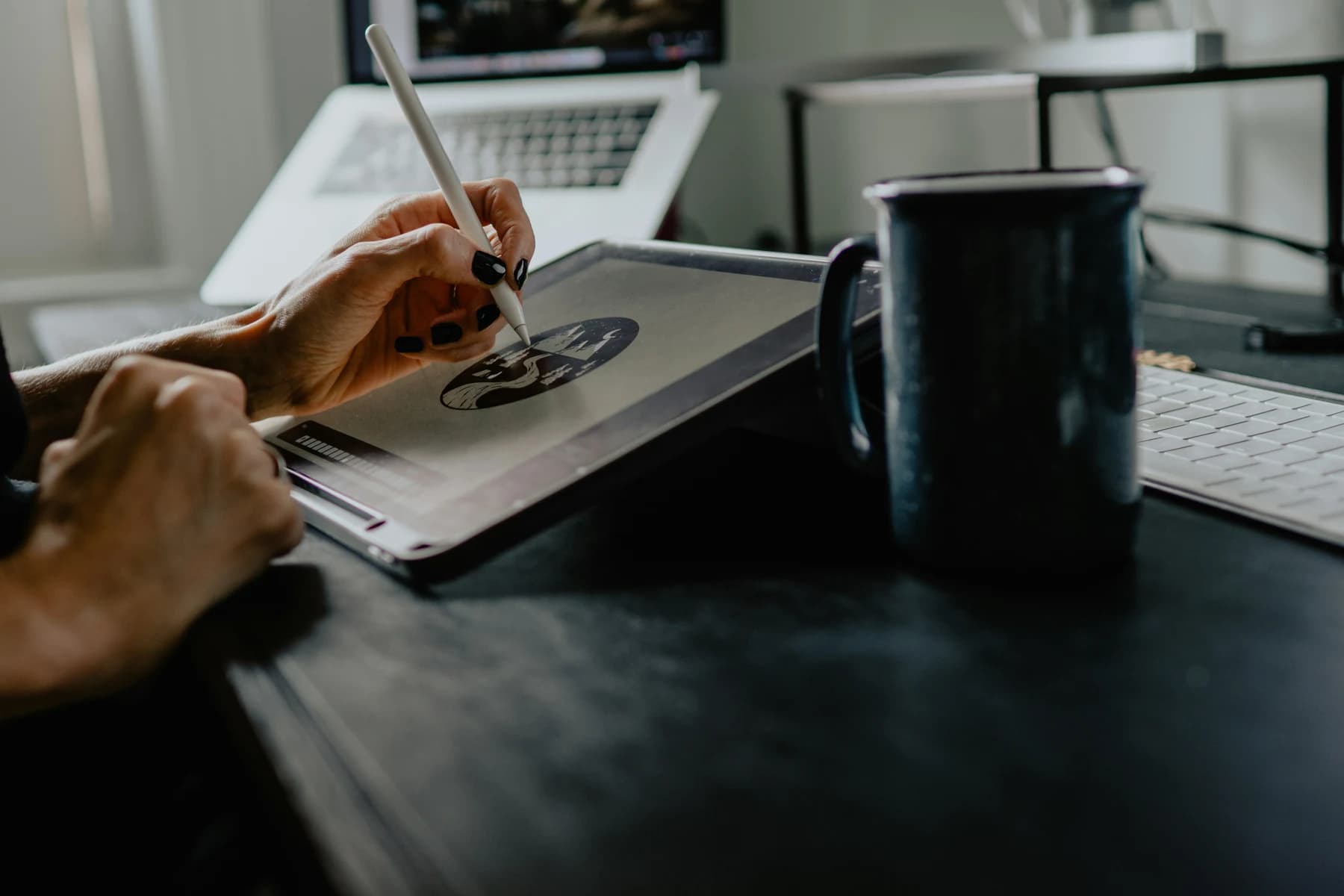
Digital artists
For illustrators, concept artists, designers, and other digital creators who want a persistent record of how their work was created, who owns it, and how it may be used.
Spoluna helps artists, creators, and collaborators keep a persistent record of authorship, ownership, licenses, commission rights, and AI usage permissions—all in one place.
Creative work can now be copied, modified, stored, referenced, or processed by AI faster than ever. But the terms that define who owns the work, who can use it, and what permissions were granted are often scattered across DMs, emails, contracts, and platforms.
Commission terms, licenses, credits, and usage permissions are often agreed informally—and become difficult to recover when something goes wrong.
A creator may allow one use and reject another: reference, modification, input, training, storage, or other forms of AI processing. Those choices are rarely documented clearly in one place.
When work is copied, modified, miscredited, or used beyond agreed terms, creators often have to reconstruct authorship, ownership, and permissions from fragmented records.
Spoluna brings the history, ownership, permissions, and terms of a creative work into one persistent record—so creators and the people they work with have something clear to refer back to when questions or disputes arise.
Create a provenance record with creator identity, timestamps, creation stages, supporting files, location, and other metadata that establish the history of the work.
Document authorship, co-authors, ownership, licenses, usage rights, and commission terms.
Set granular AI permissions, including reference, modification, input, training, storage, and other forms of processing.
Generate a hash for the recorded work and connect the final file to its record through visible creator watermarking and an invisible identifier linked to the Spoluna record.
For commissioned work, commissioners can acknowledge the agreed record with a timestamp, creating a clearer record of what both sides understood at the time.

State what others—including AI systems—may or may not do with your work, from reference and modification to training, storage, and other forms of processing.
Maintain an organized record of provenance, authorship, ownership, licenses, and permissions instead of reconstructing them after your work has already been misused.
When your work is copied, miscredited, modified, or used beyond permission, use your existing record to prepare takedowns, complaints, or disputes more clearly and efficiently.
AI capabilities and usage are moving faster than regulation.
In the Philippines and elsewhere, lawmakers are still defining how AI should be governed, how human authorship should be treated, and what protections should apply when creative work is used by AI systems. You do not need to wait for every law to be finalized before documenting your position.
Declare how your work may or may not be used for AI reference, modification, input, training, storage, and other forms of processing.
Keep timestamps, provenance, ownership, permissions, supporting files, and acknowledgements together while the history of the work is still clear.
As AI laws, platform policies, and enforcement mechanisms develop, a clear record of your authorship, ownership, and declared permissions can give you stronger documentation to rely on when asserting your rights.
For illustrators, concept artists, designers, and other digital creators who want a persistent record of how their work was created, who owns it, and how it may be used.
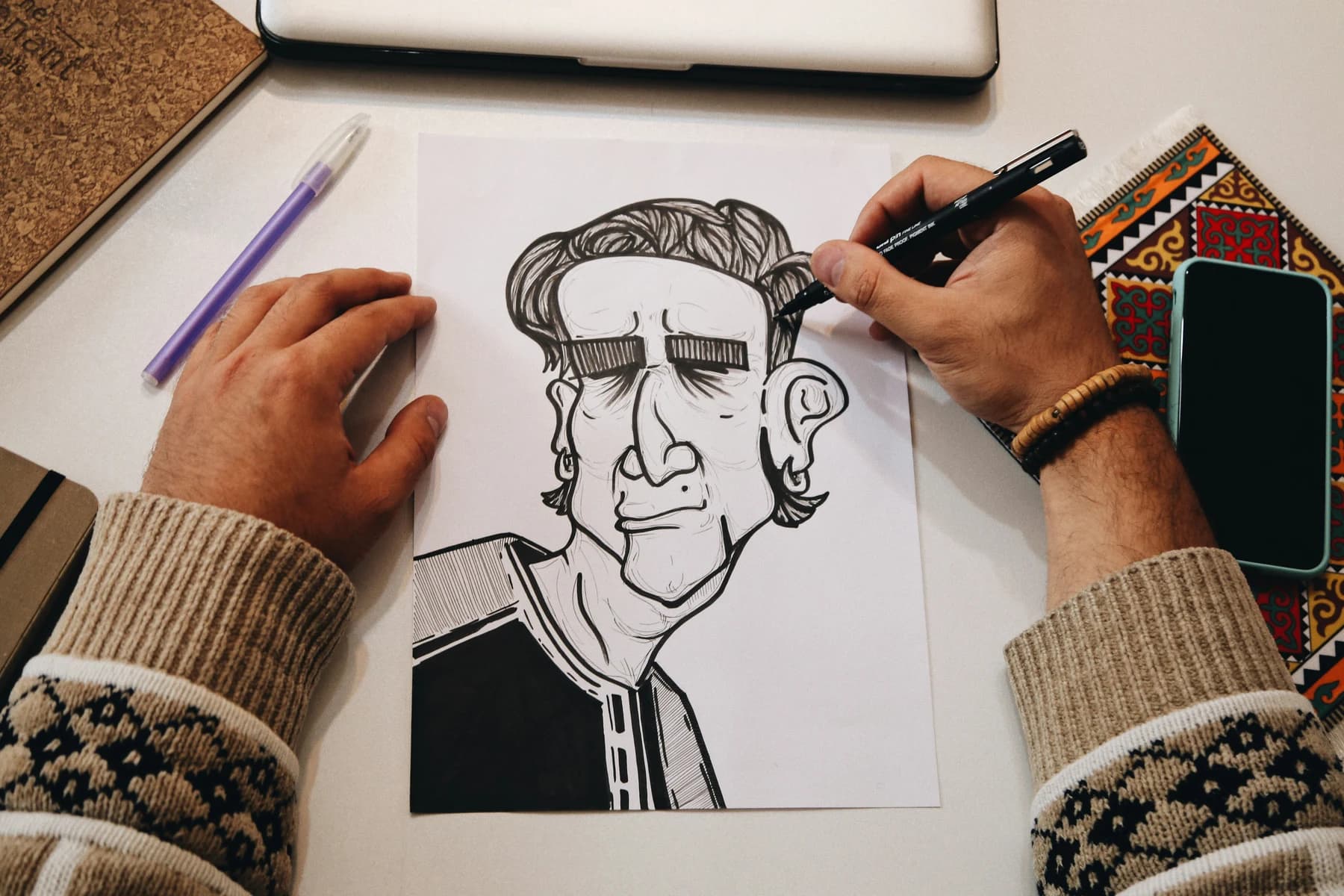
For painters, illustrators, and other physical-media artists who want to document the provenance of their work through photographs, creation stages, timestamps, and supporting records.
For people working with artists who want a clear record of authorship, ownership, usage rights, commission terms, and agreed AI permissions.
Founding users get early access to the platform, free premium seals for eligible works, and opportunities to test new rights, provenance, and AI-permission features before wider release.
Be among the first creators to use Spoluna as the platform opens.
Receive free premium seals and other launch benefits reserved for early users.
Join pilot testing and help us refine how Spoluna should work for real artists, commissions, and rights disputes.
Create a persistent record of your work.
Up to 20 Basic Seals per month
For important works, commissions, collaborations, or creations that need deeper documentation and more control.
₱299/month
A monthly plan, with 3 premium seals, for artists who regularly record and protect new work.
Final seal allowances and subscription benefits will be validated with founding users.
Spoluna can use the information already attached to your record—authorship, ownership, timestamps, permissions, licenses, and supporting evidence—to help generate a takedown request you can submit through email or a platform's reporting process.
Create a structured takedown template using the information already stored in your Spoluna record.
Reference the provenance, ownership, permissions, timestamps, and supporting materials connected to the work.
Use the generated request when contacting a platform, service provider, website, or other relevant party.
The name Spoluna combines Spoliarium and its painter, Juan Luna.
The idea behind the name is simple:
A creation may be sold, commissioned, licensed, shared, or transformed, but the identity of who created it remains part of that work.
Read the storySpoluna is designed to help creators document, organize, and assert the ownership and rights connected to their work.
Copyright protection is automatically given upon the creation of the original work. Copyright registration is not required for that protection but it may provide additional evidence and benefits.
Spoluna does not intend to replace copyright law or official government registration. It helps creators organize and maintain a structured record of authorship, ownership, permissions, licenses, and provenance around their work for easier reference and use.
Timestamps, creation stages, supporting files, acknowledgements, hashes, and permissions can help establish a clearer history of the work when questions or disputes arise.
When your work is misused, Spoluna can help organize the information needed for takedown requests, complaints, or disputes.
No. Copyright protection automatically arises upon creation. You do not need to register a work to claim that right. However, certificates and additional evidence may strengthen your position when ownership or authorship is questioned.
Not completely. Spoluna lets you define and assert your terms for how your work may be used by AI. While AI-specific laws are still developing, creators already have rights over how their copyrighted work may be used. Spoluna gives you a place to clearly declare what is allowed and what is not, and maintain a record of those permissions.
Yes. Every Spoluna record can be set to private or public. Public records are accessible only through their shared link, and only the record owner can change the visibility setting. The record owner remains responsible for complying with any confidentiality agreement or NDA before making a record public.
You can add collaborators, co-authors, and co-owners to the record and document the rights associated with each party.
Gather any evidence you have, including creation files, drafts, timestamps, conversations, agreements, and other proof of creation or ownership. You may upload and organize these materials in Spoluna to create a clearer record for documentation and future action.
Spoluna helps creators prepare and organize takedown requests. However, it does not guarantee that a platform, service, regulator, or other party will remove disputed material. Approval and enforcement still depends on the corresponding authority and jurisdiction.
Create a persistent record of your work, your ownership, and the boundaries around how it can be used.
Get early access to Spoluna and become a founding user.